Bit Byte Grid bridges the gap between code and silicon. We provide in-depth tech tutorials, hardware reviews, and insights into digital systems for the modern developer space.
At Bit Byte Grid, we believe that understanding computer hardware is just as critical as mastering programming. Our team of engineers and developers saw a gap in the developer space: most resources focus solely on software, ignoring the physical layers that execute the code. We started this blog to offer a holistic view, combining hardware reviews with practical digital systems design. Whether you are debugging a driver or architecting a new app, we provide the knowledge that unites both worlds.
Our content is built for hands-on learners. Every week, we release tech tutorials that go beyond surface-level commands, diving into how programming interacts with computer hardware components like CPUs, memory buses, and logic gates. We also explore the architecture of digital systems from the ground up. Bit Byte Grid isn't just another tech blog; it is a workshop where theory meets practice, all from our base here in Tokyo.

This tech tutorial explores low-level programming techniques to reduce cache misses. You will learn how your code directly affects computer hardware performance, with benchmarks and real-world examples for embedded digital systems.
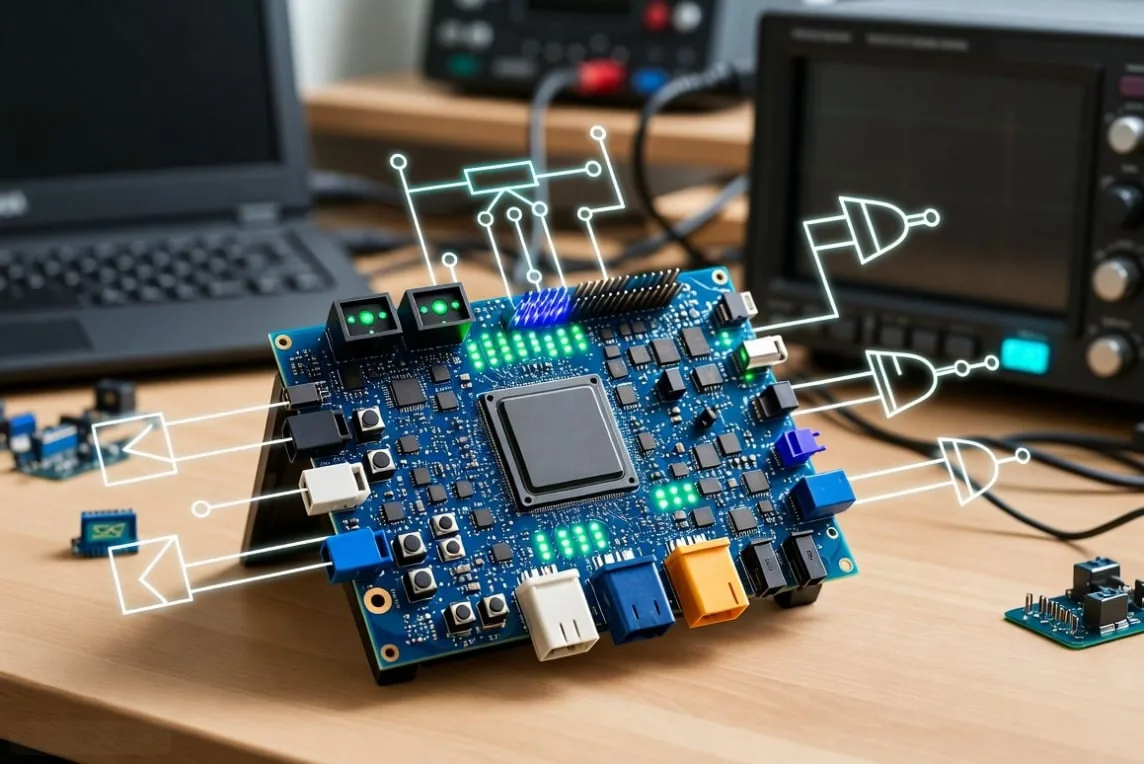
Dive into digital systems design by implementing a basic RISC-V core on an FPGA. This article covers the synthesis process, timing analysis, and includes hardware reviews of affordable development boards. Perfect for the hands-on developer space.
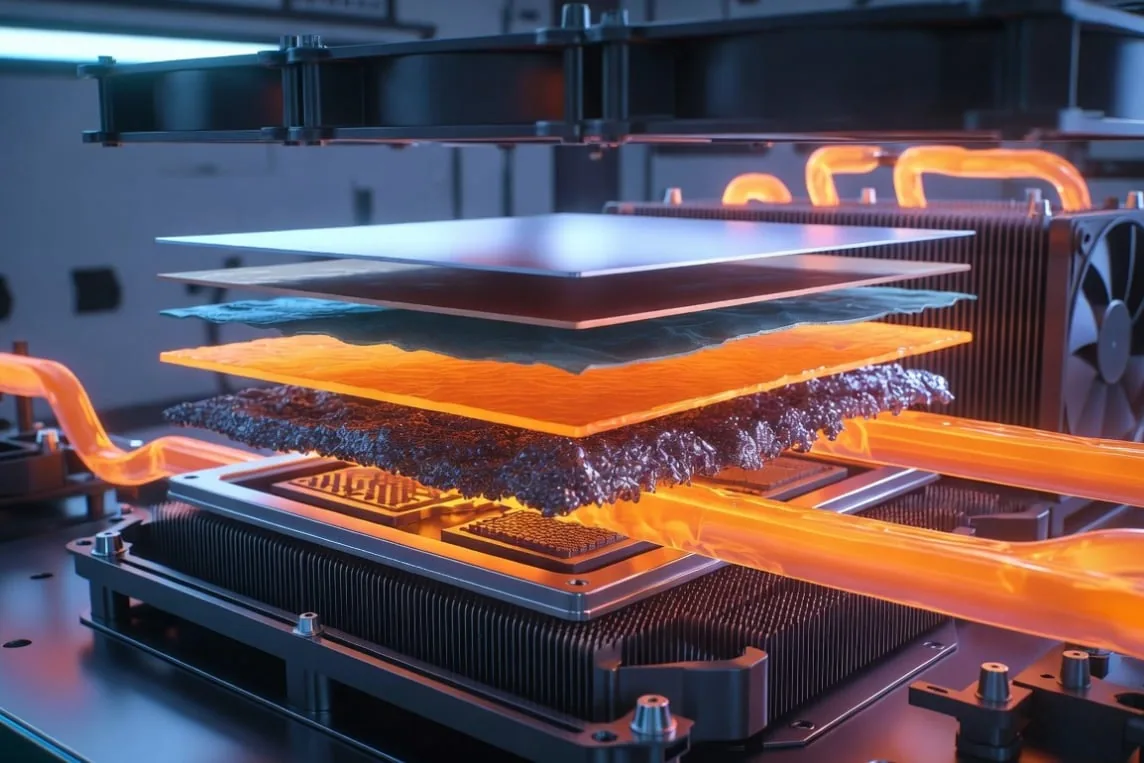
A detailed hardware review of passive and active cooling solutions. We analyze how computer hardware longevity depends on thermal management, linking back to programming (throttling algorithms). No brands—just pure physics and performance data.
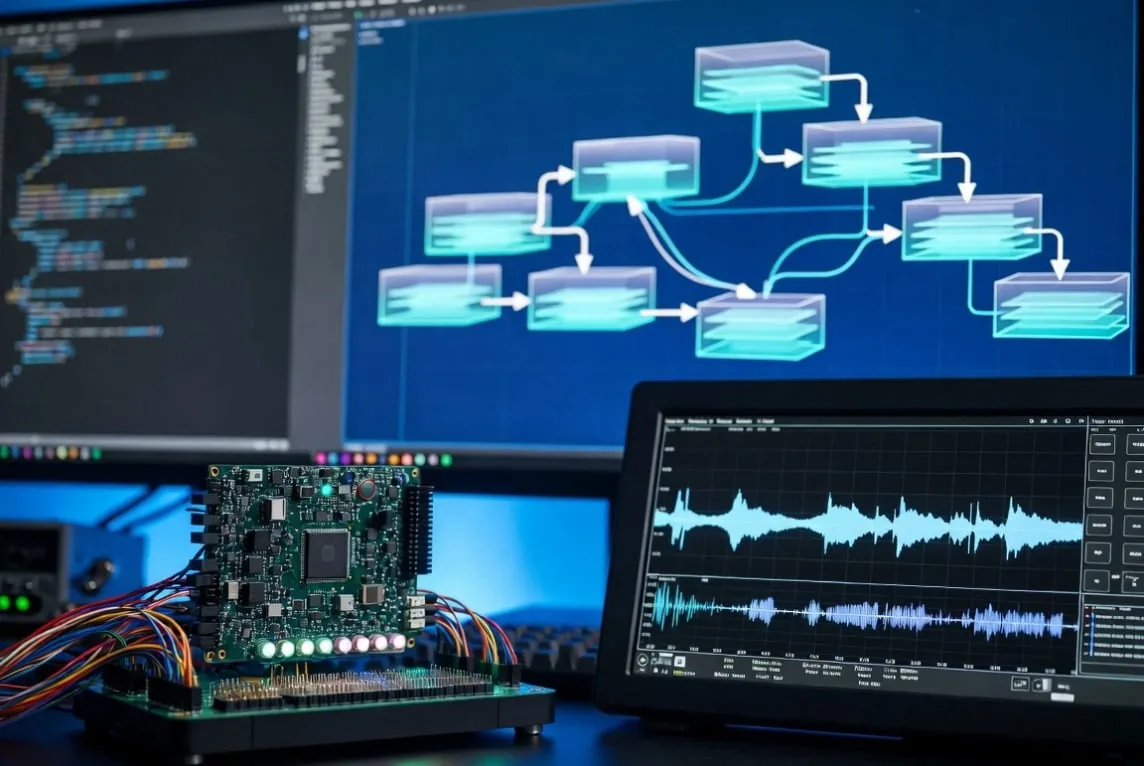
Master hierarchical state machines in programming for digital systems. This tech tutorial provides copyable code and waveform diagrams. It is a must-read for anyone in the developer space working with interrupt-driven computer hardware.
Our mission is to democratize low-level knowledge. Most resources separate programming from computer hardware, creating specialists who cannot see the full picture. Bit Byte Grid exists to tear down that wall. We deliver tech tutorials and hardware reviews that treat software and silicon as one integrated system. We want every engineer to be fluent in both digital systems design and efficient code.
Furthermore, we aim to build a thriving developer space in Japan and beyond. By providing unbiased hardware reviews and deep-dive programming guides, we empower hobbyists and professionals to create reliable, high-performance digital systems. Our mission is to make the complex understandable, one logic gate and one line of code at a time.
Most blogs choose software or hardware. Bit Byte Grid masters both. Our tech tutorials always explain how your programming choices affect computer hardware (power use, execution cycles, bus contention). You learn the "why" behind the "how."
We review computer hardware without promoting specific brands. Our hardware reviews focus on architecture, interfaces, and true performance metrics. This unbiased approach helps you choose components based on specs, not marketing, for your digital systems projects.
We treat the developer space as a workshop, not a classroom. Every tech tutorial includes downloadable test benches and code repos. Our programming examples are tested on actual computer hardware configurations, so you can replicate results immediately.
From our lab in Japan, we bring a unique focus on efficiency and precision. Our digital systems content emphasizes low-latency and high-reliability designs. This perspective enriches our hardware reviews and programming guides, setting Bit Byte Grid apart.
Bit Byte Grid began in a small electronics lab in Tokyo’s tech district two years ago. Founders, two embedded systems engineers, grew frustrated with the shallow tech tutorials available online. They noticed that programming guides ignored computer hardware bottlenecks, and hardware reviews lacked software context. So they started writing detailed posts for their peers. The developer space responded immediately, and what began as a shared document grew into a full blog.
As our audience expanded, we added more test equipment and dedicated writers. Today, Bit Byte Grid runs a small but well-equipped lab for hardware reviews and digital systems prototyping. We still publish every tech tutorial after testing it on real computer hardware. Our history is short but deep: two years of weekly, high-signal content for the serious developer space.
"Finally, a place that connects programming to computer hardware properly. Bit Byte Grid’s tech tutorials saved my project. Their hardware reviews are the only ones I trust now."
"The developer space needs more sites like this. Their digital systems deep-dives are unmatched. Every tech tutorial I’ve used has been accurate and well-tested. Highly recommended."
"I learned more about memory latency from one Bit Byte Grid hardware review than from months of random reading. Their programming examples are clear and actually run on my computer hardware."
"As an educator in digital systems, I use their tech tutorials as course material. The way they blend programming with hardware reviews creates a complete learning path for the developer space."
We envision a future where every developer space operates without the artificial divide between code and circuitry. Bit Byte Grid aims to become the global standard for integrated learning in programming and computer hardware. We see a world where tech tutorials always include timing diagrams, and hardware reviews always discuss driver quality and firmware. Our digital systems content will evolve with emerging architectures, always remaining practical.
In the coming years, we will expand our lab to include more exotic computer hardware for hardware reviews. We will also launch interactive tech tutorials that simulate digital systems behavior. Our vision is to keep Bit Byte Grid the most honest, detailed, and useful resource in the developer space. No fluff, no brand bias—just the truth about programming and the silicon that runs it.
We focus equally on programming and computer hardware. Most sites cover one or the other. Our tech tutorials and hardware reviews always show how digital systems function as a whole.
No. We design our programming examples and digital systems projects to run on affordable or even simulated computer hardware. Our hardware reviews cover various price points.
We publish at least two in-depth pieces per week: one tech tutorial and one hardware review (or digital systems case study). Our programming content is updated regularly.
Yes. We welcome guest posts from the developer space. Your content must connect programming to computer hardware in a practical way. Contact us via bitbytegrid@bitbytegrid.com.
Absolutely. Understanding older digital systems improves modern programming and debugging. Our hardware reviews sometimes include legacy gear to teach timeless principles.